Flavors of Peru
Get to Know Peru’s World Class Cuisine. Once the largest empire in pre-Columbian America, the Incas vanished with barely a trace. Peru has that effect on people; so don’t be surprised if, once you’ve found the Lost City of Machu Picchu, or savored sublime ceviche in Lima, you lose yourself a little, too. As you dive into Peru’s exquisite cuisine, you’ll quickly realize it’s a world of its own. Eight-two microclimates yield a myriad of indigenous species and foodstuffs from the depths of the cold Pacific Ocean to the fiery chilies of the desert, the lush Amazon, and the Andean highlands. Regional cultures and traditions infuse their own spices and techniques for a food culture that rivals China, Mexico or France. You can’t help but be captivated by the deliciousness, beauty, and mystique of this place. Unwinding with a pisco sour at dusk over the Pacific or on an Andean mountaintop? Transcendent.
Day 1
Lima. Once hailed as the City of Kings by Spanish conquistadors, Lima was South America’s richest city. Beyond the urban sprawl, colonial splendor still awaits in downtown Lima. Quiz Limeños on what makes their city tick and they’ll wax on lyrical about ceviche, the perfect lomo saltado, and head for the Pacific sunset to drink up frothy Pisco Sours. A fascinating mix and melting pot of indigenous ancestry, colonial heritage, and Asian immigration, Lima is a tantalizing appetizer of Peru and its diverse flavors.
Arrive in the evening and transfer to your hotel in the stylish neighborhood of Miraflores, peppered with flower filled parks, gardens, and surfers taking to its blond sand beaches. Feel that ocean air! Check into your Ocean View Suite at the exquisite Orient Express property where stellar service is the norm. (Miraflores Park)
Day 2
The day is yours to explore the Peruvian capital on your own. Jump off to see the colonial buildings, museums, all at your fingertips.
In the evening, gather together for a group welcome dinner at one of Lima’s best nouveau restaurants. Under the careful eye of an innovative chef using ingredients from all over Peru, explore (with your fork!), a refined take on the cuisine of the Andes, the Amazon, and the coast from cured alpaca ham to octopus, and Amazon river fish like Paiche. (Miraflores Park)
Day 3
Meet after breakfast for an introduction on the history and anthropology of Peruvian cuisine. Learn about its colonial, indigenous, and Asian influences along with the different microclimate that birth the myriad of ingredients found throughout the country.
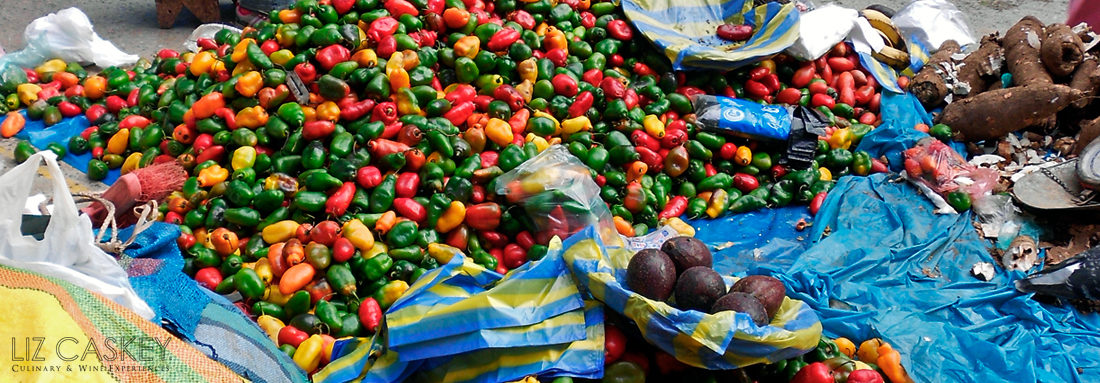
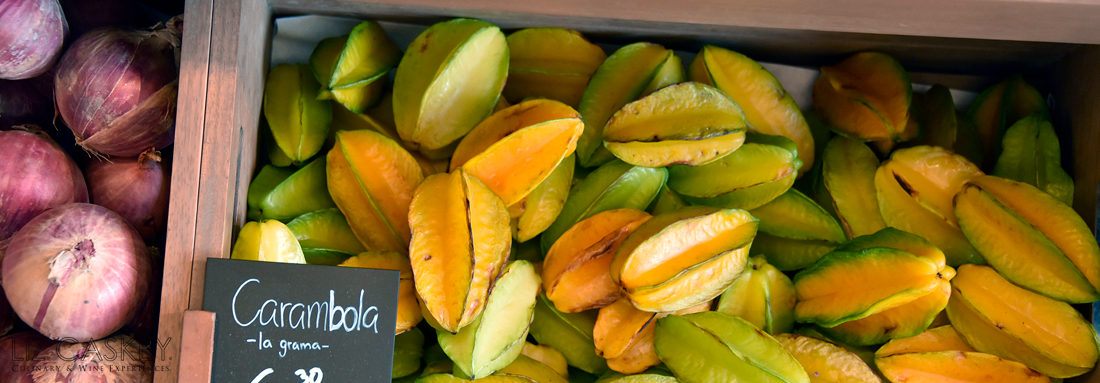
Start the day’s exploration at the colorful Surquillo market, a typical local market. Here, understand the foodstuffs that are the drivers of Peruvian cuisine that make it so exotic, novel, and balanced. Stacks of produce burst with color from the rainbow-colored limo peppers to orange huancaína chilies, vibrant Green key limes (for those Pisco sours), a potpourri of native potatoes, coca leaves, buckets of quinoa, pulses, and colored corn. Taste “island bananas,” a delicate, fragrant pink plantain, then camu camu, a tart acidic fruit from the Amazon. Savor aguaymanto, golden berries, or juicy chirimoyas (custard apples) and even favorite local snacks like amaranth puffs and cancha, toasted salty corn kernels. And more.
Ready for lunch? Head for one of Lima’s favorite restaurants specializing in Chiclayo cuisine from the northwestern coast of Peru. While you order, let the waiter fix your “a la carte” pisco sour. This is an ideal place to dive into traditional Peruvian cuisine, at the heart of everyone. Zesty omelettes made with duck, a causa (spicy mashed potato terrine) with cured grouper in a shallot sauce, the famous tacu tacu (bean tamale) and baby goat ribs. Return to the hotel in the afternoon for a well-earned siesta. Dinner is on your own. (Miraflores Park)
Day 4
This morning, rise before dawn to set off to the gigantic terminal pesquero, where fish and seafood turn over at the speed of light. Thanks to the Humboldt, locals chow down on a dizzying area of shellfish from mussels to scallops, and fish, large and small. Walk amid the action as mongers filet fish and stop for breakfast—the freshest ceviche you’ve ever tasted.
Return to the hotel for a nap. Late morning, head to the historic, colonial quarter of the capital. Explore the Plaza Mayor, the official center of Lima and where Lima was founded. Explore the 16th century colonial architecture like the historic Cathedral and Presidential Palace. Walk the charming side streets to appreciate the stunning balconies, hand-carved from wood. Visit Chinatown with the huge red arch. With a strong Chinese immigration in Peru, chifa cuisine is a unique take on Chinese with Peruvian ingredients. Chifas are part of daily eating for limeños from garlic duck to wonton soup to arroz chaufa, fried rice. Sit down in one of our favorite classic joints for a light snack.
Meet Peru’s master ceviche chef in his private restaurant, a sort of ceviche speakeasy. There’s no sign but loyal in-the-known capitalites make pilgrimages here to savor his work. With only a few tables, the maestro sends out whatever the Pacific brought in that morning. Gather around his open kitchen to see how he expertly prepares ceviche, tiradito (Peruvian sashimi), and hot entrees with fish so fresh that it melts like butter in your mouth.
Return to the hotel and the afternoon is yours to enjoy. Discover Lima’s excellent museums like on your own; shop for souvenirs; or go for a walk along the Pacific. Ahh. Tonight, meet for dinner to explore Nikkei cuisine, Japanese-Peruvian food. Japanese immigrants in Peru date back to the late 19th century with a profound impact on the cuisine. Dine at one of Lima’s revered chefs’ restaurants to learn about the fundamentals of this fusion cuisine—from sushi-like dishes to skewers and seared meats. (Miraflores Park)
Day 5
Today, the journey turns inland to the Andean Highlands. Check out and transfer with the group to Lima’s airport for the short flight to Cusco. Land in the storied capital of the Inca Empire and gateway to the imperial city of Machu Picchu, surrounded by the verdant Andes. Transfer immediately from the airport into the Sacred Valley at a lower altitude.
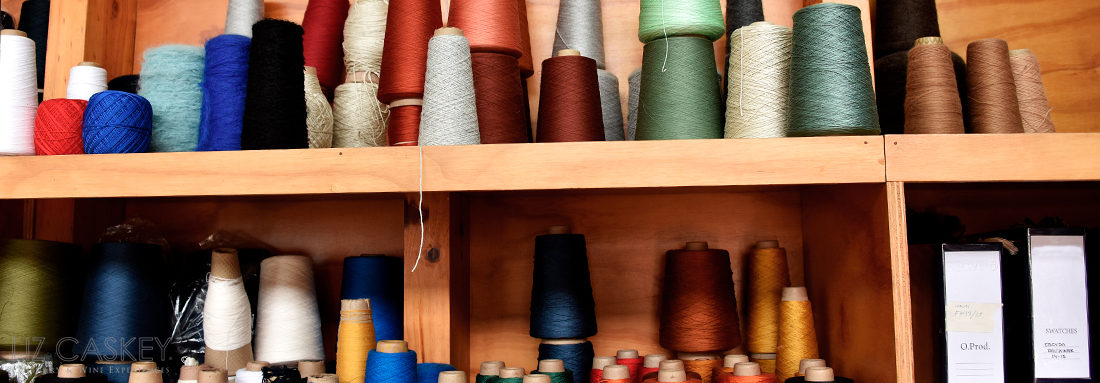
Stop at a textile center to appreciate traditional weavings typical of this region. Alpacas, llamas, and vicuñas are raised ethnically and their wool is used for the exquisite textiles and clothing. Briefly walk through the process from animal to final weaver. Continue the stunning drive down into the Sacred Valley with terraced, patchwork farmland climbing the steep hillsides. Break in the quaint colonial village of Pisac to visit its picturesque market on the central square with colorful hand-woven textiles and handicrafts.
Join one of the Sacred Valley’s top chefs for an exclusive cooking class in local Andean cuisine. In this interactive cooking class, participate to learn the technique for making some of the most beloved dishes in this area of Peru. Afterwards, sit down to savor your meal.
Check into your hotel with casitas, houses, set among the blooming gardens. Settle into your room and let them build a fire in the chimney as the sunsets and temperature dips. Luxurious but understated, friendly and authentic, more than a hotel it feels like your own private refuge. Dinner is on your own in one of the hotel’s restaurants or in Urubamba. (Sol y Luna)
Day 5
After breakfast, discover Urubama’s pulsating market where vendors journey in from surrounding villages to sell their crop. Sturdy women in serapes and bowler hats hawk every color and size of potato and corn kernels, chilies, and artisan products.
Climb up to the colonial town of Chinchero with white facades, tiled roofs, and cobblestone streets, a blending of colonial architecture and Incan Stone walls. At nearly 12,000 feet above sea level, the valley opens up with jagged snow-capped peaks in the distance.
Locals still don the colorful, traditional dress. Visit a weaving co-op of women who are conserving textile traditions. Understand the process, first hand, how alpaca or sheep’s wool is made into textiles and the significance of the designs. Continue into the countryside to a crystalline lake. Meet with one of the Sacred Valley’s most renowned chefs to partake in the preparation of the pachamanca, a meal cooked in the ground using hot stones. With beef, pork, chicken and guinea pig marinated in spices in addition to native potatoes, sweet potato and yucca, savor this special outdoor lunch with stunning views.
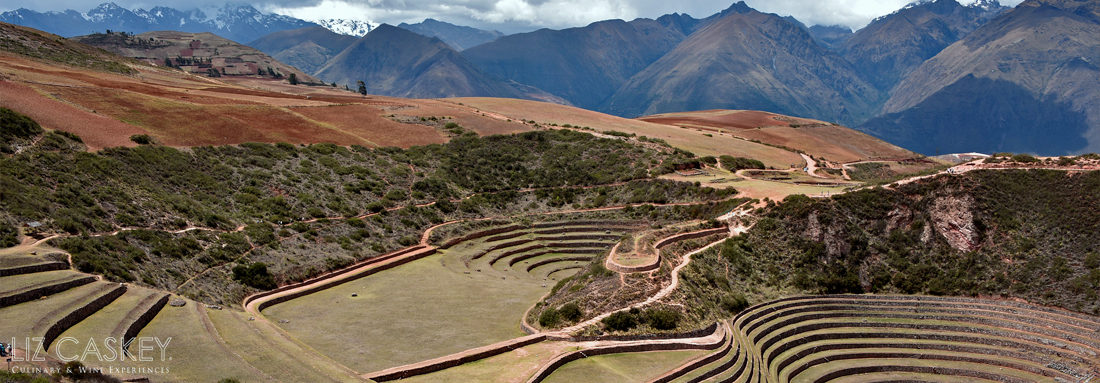
Drive through the colonial village of Maras, built from sun-dried mud bricks and granite, where many of the homes still hold original coats of arms from the 1600s. In Moray, see this impressive archaeological site with concentric terraces, created by the Incas for the cultivation of crops with over 20 microclimates.
Nearby are the famous “salt pans”, or about 3,000 salt pools tumbling down the mountainside like a staircase. Dating back to Incan times, the salt solidifies over a month’s time and is “racked” and sold throughout the valley.Briefly visit the area to see the pools and take home some of this special salt.
Before returning to the hotel, visit a friend who still elaborates chicha, made from fermented corn in the traditional fashion. She also raises the typical cuy (guinea pig), which you will see on many tables as meat in this area as a delicacy. Dinner is on your own tonight. (Sol y Luna)
Day 6
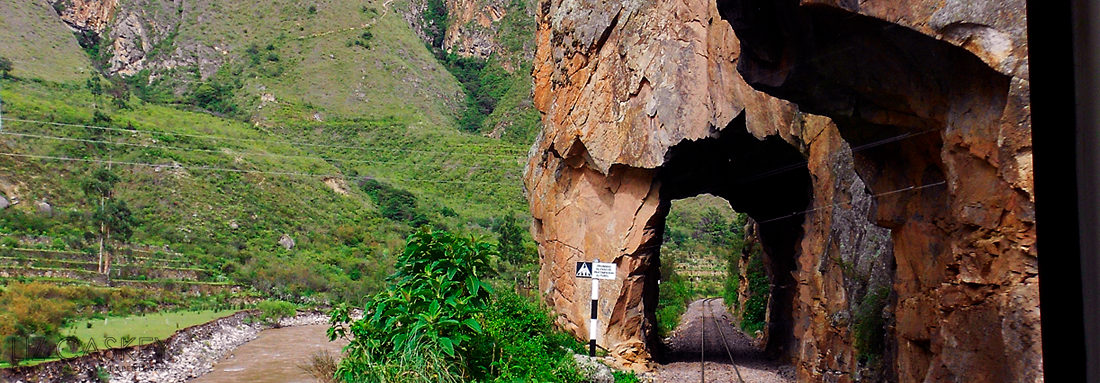
Get an early start this morning. From Ollantaytambo, to take the train to Aguas Calientes, the station that serves Machu Picchu. Snake through wonderful cloudforest scenery and the towering peaks of the Andes high above.
Rendezvous with our private guide and ascend to summit of Machu Picchu, the Lost City of the Incas, and one of the world’s most celebrated archaeological sites. Never found by the Spanish Conquistadores, and only rediscovered in 1911 by American explorer Hiram Bingham, Machu Picchu is simply spectacular. Hidden in the Andean cloud forest on a high ridge straddling between two mountains with the Urubamba River curling like a snake below it, Machu Picchu is a complete city strategically perched atop a mountain. Our private guide will take us to the major sites and contextualize the history, spirituality and importance of this site.
Break for lunch with a hearty buffet lunch. After lunch, re-enter the ruins on your own until the they close at sunset. Return to your hotel carefully below in Aguas Calientes. Nestled in the cloud forest, the adobe casitas are surrounded by immaculate grounds with orchids, hummingbirds, and lush gardens. Dinner is included tonight at the hotel. (Inkaterra Machu Picchu Pueblo Hotel)
Day 7
Today is your chance to re-enter the ruins on your own. Hike up to the Sun Gate or up the steep Huayna Picchu for sweeping views of the citadel. Explore the grounds of the hotel with naturalist to learn more about the local flora and fauna, and how they make their own tea on-site.
Depart in the afternoon on the train to Cusco, set high in the Andes. This beautiful colonial city is renowned for its unique blend of Spanish and Incan cultures. Arrive at your boutique, all-suites hotel set in a tranquil plaza behind Cuzco’s main square. A former palace and convent that has been meticulously restored with modern touches, step past the Incan stonewalls into the cloistered courtyard with an ancient fountain at its heart. Settle into your oxygen-enriched suite with gorgeous views of the courtyard or tiled rooftops.
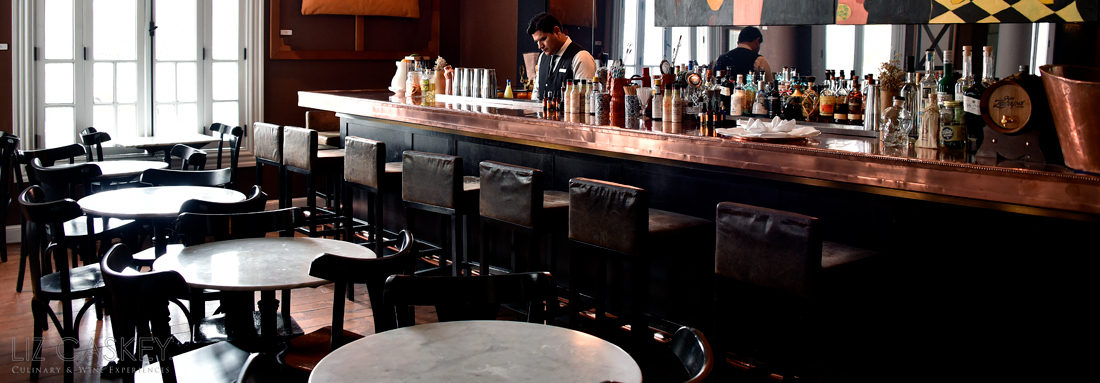
Dinner tonight is overlooking the historic Plaza de Armas focusing on a blend of classic Andean and Criolla dishes. With over forty types of Pisco, dig into a tasting of Pisco cocktails with your dinner and a view of the gorgeous illuminated cathedral and main square. (Palacio Nazarenas)
Day 8
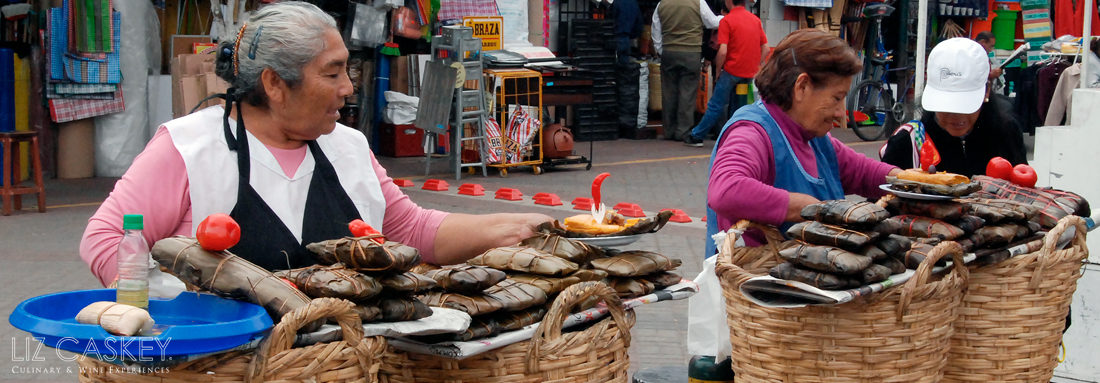
This morning, discover the colonial gem of Cusco, Peru, declared a UNESCO World Heritage Site and once the capital of the ancient Inca Empire. Start in the Main Square, observing the juxtaposition of Inca and Colonial architecture. Visit our favorite señora selling hot sweet tamales. Walk through the City’s main streets to observe majestic Spanish Colonial architecture, where churches were erected over ancient Incan temples. Visit Cusco’s bustling central market, a quick study in the local cuisine from La Sierra, the mountains. Walk past mounds of fresh cheese, bread, potatoes, fava beans, fruits, and sweets. Observe crowds down steaming bowls of caldo de gallina, chicken soup and devour lechón, suckling pig.
Continue your saunter to Cusco’s most atmospheric and picturesque neighborhood, San Blas, lined with cobblestone streets, artists’ studios and artisans’ workshops.
Return to the hotel at noon for group transfer to the Cusco airport for your afternoon flight to Lima, and international connections.